About Copper Tubular Ends Connector
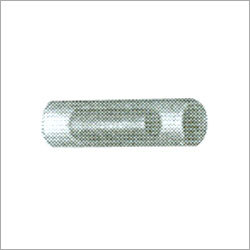
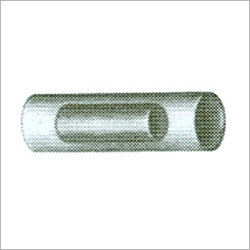
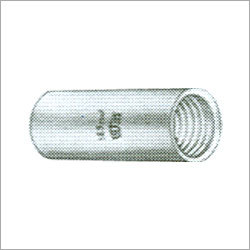
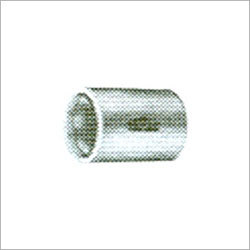
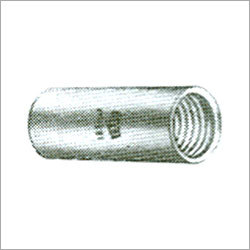
Our range of Copper Tubular Ends & In-Line Connector are manufactured from superior grade material. These terminal ends find application where more secured termination is required, as it can easily accommodate two bolts to reduce drift.
Durable High Conductivity Copper ConstructionManufactured from 99.9% ETP copper, these connectors ensure maximum electrical transmission with minimal energy loss. This high-purity material is specifically chosen for its exceptional conductivity, making the connectors reliable for a range of power distribution systems. ETP copper also provides resilience against corrosion, extending the components lifespan in demanding environments.
Flexible Application Across Wiring ProjectsWith cable diameter compatibility from 1.5 mm up to 25 mm and variable thickness to suit different project requirements, these connectors are suited for panel wiring, industrial setups, and power distribution networks. The tube or barrel styles offer versatility, enabling integration into both new installations and maintenance upgrades for electrical systems.
FAQs of Copper Tubular Ends Connector:
Q: How are Copper Tubular Ends Connectors installed in electrical wiring?
A: Copper Tubular Ends Connectors are typically crimped onto the stripped end of a copper conductor using the appropriate crimping tool. Ensure the cable diameter matches the chosen connector model for a secure fit, and verify the joint before integrating it into power panels or distribution circuits.
Q: What types of cable can be used with these connectors?
A: These connectors accommodate copper cables ranging from 1.5 mm to 25 mm in diameter, depending on the connector variant. Always match the cable size with the connectors internal diameter for optimal conductivity and mechanical strength.
Q: When is it recommended to use electrolytic tin-plated connectors?
A: Electrolytic tin-plated connectors are ideal for applications where enhanced corrosion resistance is needed, such as in humid, chemical, or industrial environments. The tin plating also facilitates easier soldering if required during installation.
Q: Where are Copper Tubular Ends Connectors commonly applied?
A: They are widely used in panel wiring, power distribution networks, and industrial wiring setups. Their non-sealed design makes them suitable for indoor installations, ensuring efficient and reliable connections within electrical enclosures and switchboards.
Q: What is the process for ensuring a reliable connection using these connectors?
A: To ensure a secure connection, strip the cable insulation properly, insert the conductor into the connector until it stops, and use a standardized crimping tool to compress the barrel. Double-check the crimped point for any loose strands and ensure the joint has low resistance before application.
Q: What are the main benefits of using high-conductivity ETP copper connectors?
A: ETP copper connectors provide excellent conductivity, ensuring low contact resistance (0.2 m) and high insulation resistance (1000 M). These properties reduce power loss, prevent overheating, and improve the overall reliability and safety of the electrical system.





 Send Inquiry


 Send Inquiry